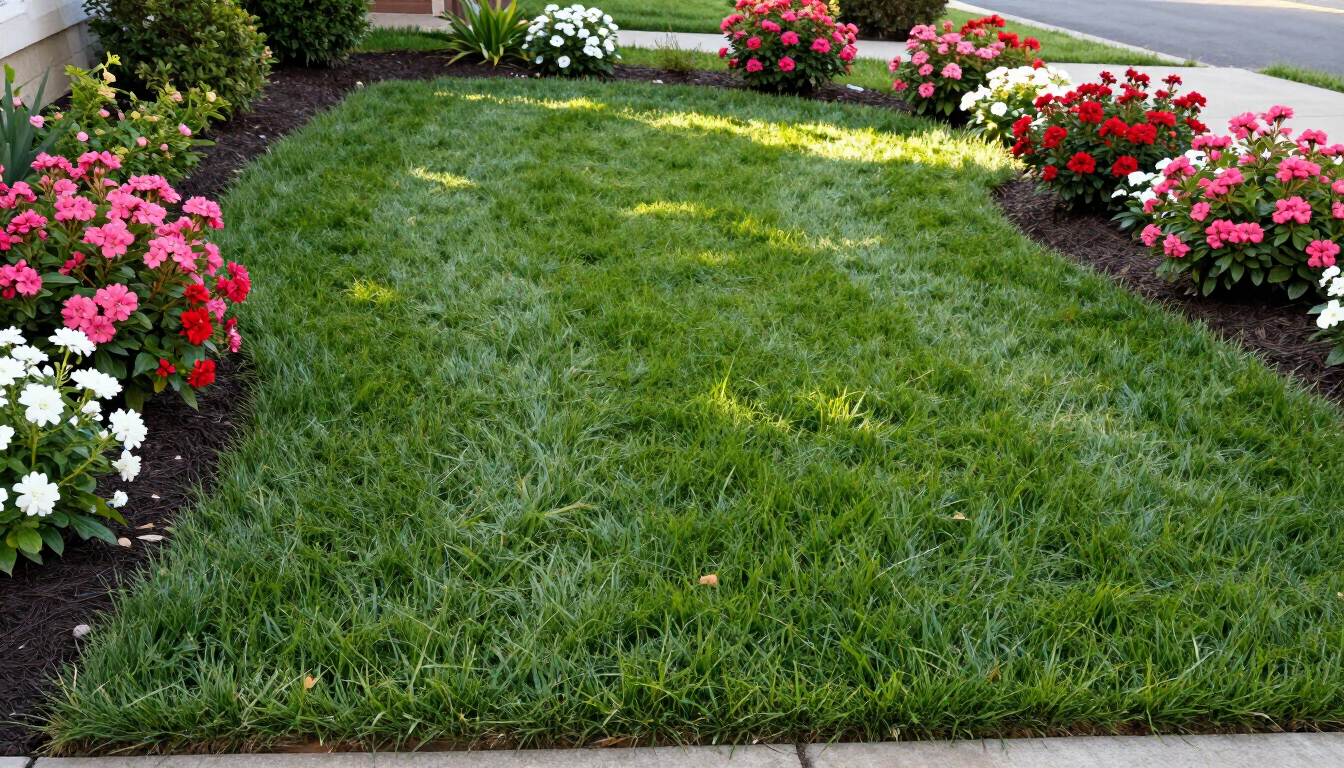
Mulch Bed Maintenance in Blacksburg, VA: How to Keep Your Landscape Looking Its Best
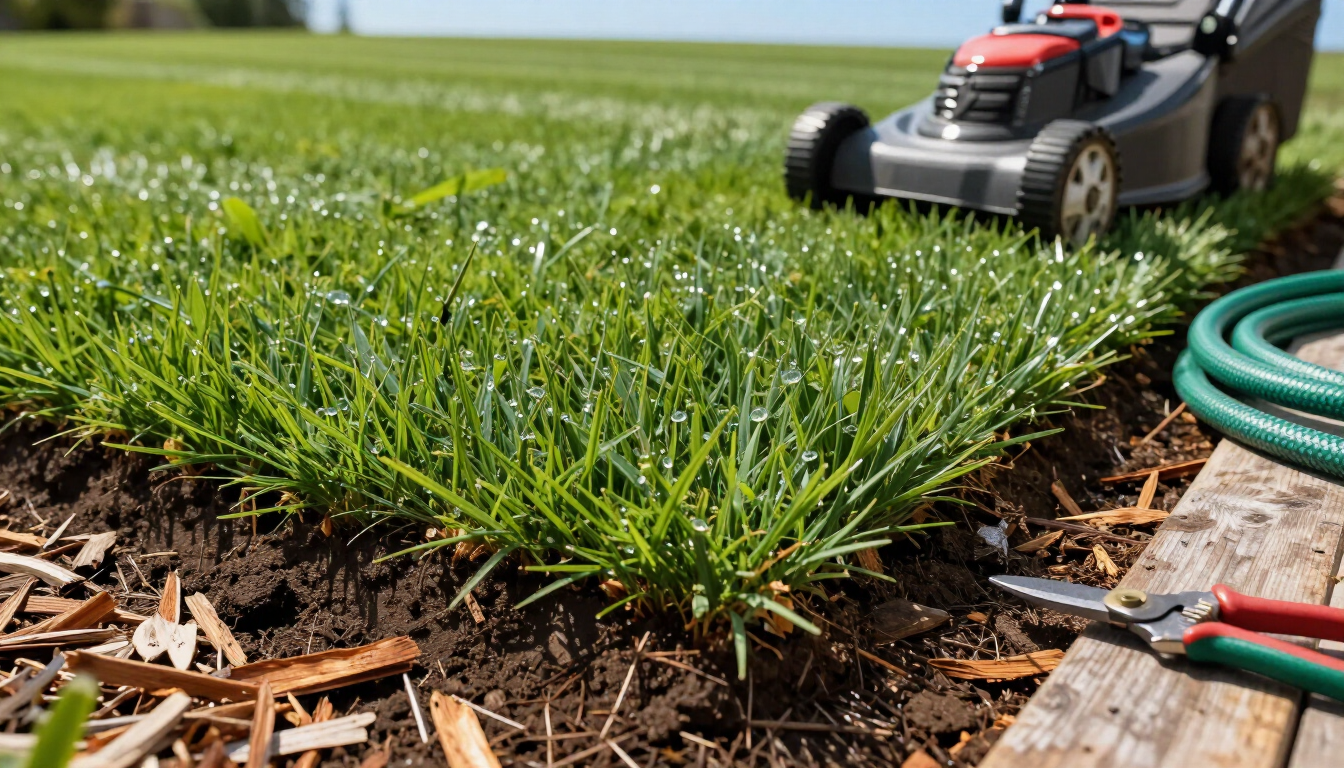
Well-maintained mulch beds can make a noticeable difference in the appearance of your property. They create a neat border around trees, shrubs, and planting areas while helping manage soil moisture and reduce the amount of exposed soil.
For homeowners in Blacksburg, Virginia, maintaining mulch beds is an important part of keeping a landscape attractive throughout the changing seasons. However, mulch does more than provide a finished appearance. When applied and maintained properly, it can also support healthier growing conditions for many landscape plants.
Understanding when to refresh mulch, how to manage weeds, and what to avoid can help you keep your outdoor spaces looking tidy without creating unnecessary problems for your plants.
Why Mulch Beds Matter in Your Landscape
Mulch is a protective layer placed over the soil around trees, shrubs, and other landscape plantings. Depending on the material used, it can provide several practical benefits.
Helps Retain Soil Moisture
Mulch can reduce evaporation from the soil surface, helping the ground retain moisture between rainfall or watering sessions. This can be especially helpful during warmer periods when soil dries more quickly.
Mulch does not eliminate the need for watering, but it can support more consistent soil moisture when used appropriately.
Helps Suppress Weeds
A suitable layer of mulch can limit the light reaching weed seeds near the soil surface, reducing the likelihood that some weeds will establish.
It will not prevent every weed from growing, particularly when seeds arrive on top of the mulch. Regular inspection and early removal remain important parts of landscape maintenance.
Helps Moderate Soil Temperature
Mulch can reduce rapid temperature changes in the soil near plant roots. This can help create more stable growing conditions as temperatures fluctuate throughout the year.
Creates a Finished Appearance
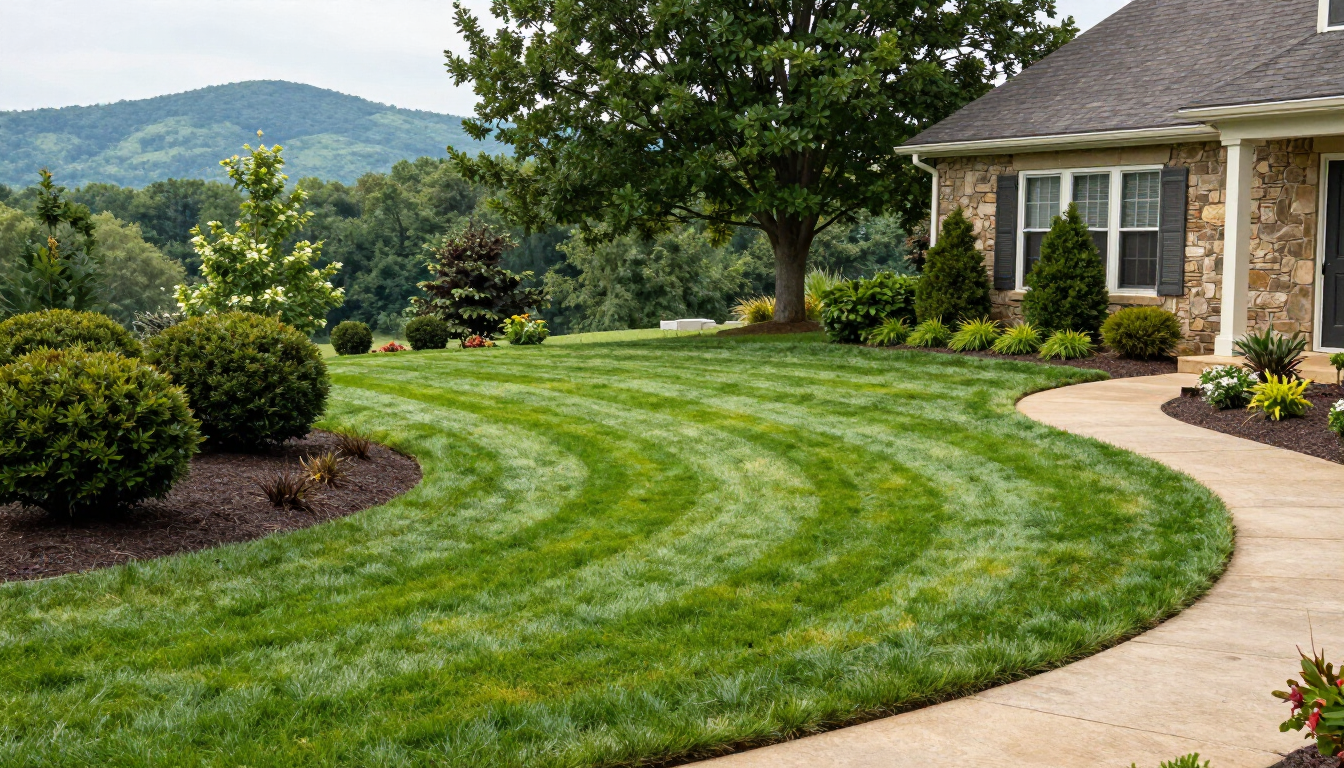
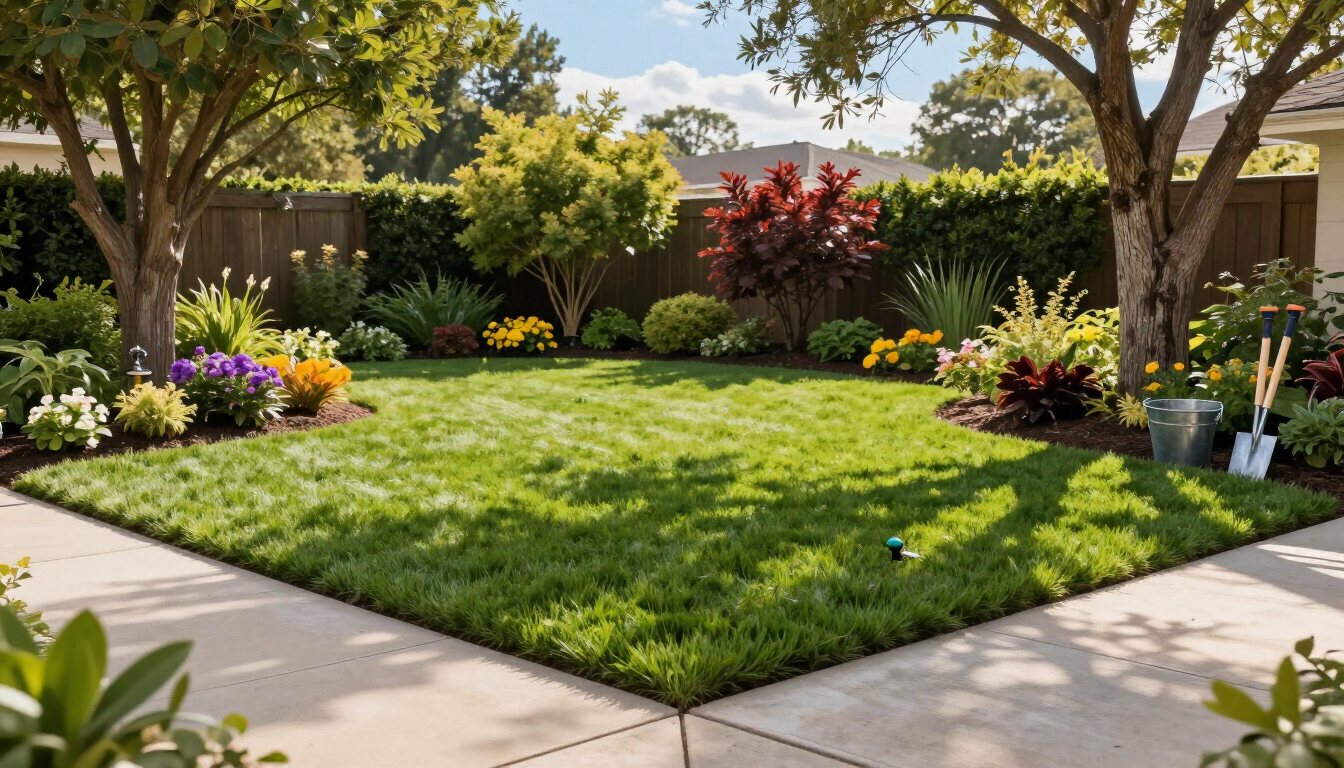
Defined mulch beds provide visual contrast between planting areas, lawns, walkways, and other landscape features. Fresh, evenly distributed mulch can make a property look more organized and well cared for.
1. Know When Your Mulch Beds Need Attention
Mulch beds do not always need a complete refresh every season. Their condition depends on the material, weather exposure, soil conditions, and amount of organic material that has decomposed.
Look for these signs that your beds may need maintenance:
- Bare patches: Areas where soil is exposed may benefit from additional mulch.
- Uneven coverage: Rainfall, foot traffic, or landscape work can shift mulch away from some areas.
- Visible weeds: Weeds may establish where mulch is thin or where seeds have accumulated.
- Leaves and debris: Organic debris can collect in beds and make them appear untidy.
- Overgrown edges: Grass and weeds may spread into the bed, making the boundary less defined.
Before adding more mulch, inspect what is already there. If the existing layer is still adequate, removing debris and correcting uneven areas may be all that is needed.
2. Apply Mulch at an Appropriate Depth
One common mistake is adding too much mulch. Although a thicker layer may seem like it would provide better protection, excessive mulch can create problems for plants and trees.
For many landscape beds, a layer of approximately two to three inches is often suitable, depending on the material and site conditions. Follow the needs of the particular plants and avoid building up the layer unnecessarily.
Keep mulch away from the base of tree trunks and the stems of shrubs. Piling it directly against bark can retain excessive moisture around the plant tissue and contribute to decay or other health issues.
For trees, maintain a visible gap around the trunk rather than creating a mound of mulch. The goal is to cover the surrounding soil, not bury the plant's base.
3. Control Weeds Before Refreshing the Beds
Adding fresh mulch over established weeds may hide them temporarily, but many will continue growing through the new layer.
Before refreshing a bed, remove existing weeds and unwanted vegetation. Where practical, remove the roots of perennial weeds to reduce the chance of regrowth.
Afterward, inspect the soil surface and identify areas where weeds repeatedly appear. Some locations may need more frequent attention because of nearby lawns, exposed soil, or windblown seeds.
Consistent maintenance is usually easier than allowing weeds to become established throughout the entire bed.
If you use a weed-control product, follow its label instructions carefully and consider the needs of nearby plants.
4. Keep Mulch Beds Separate From the Lawn
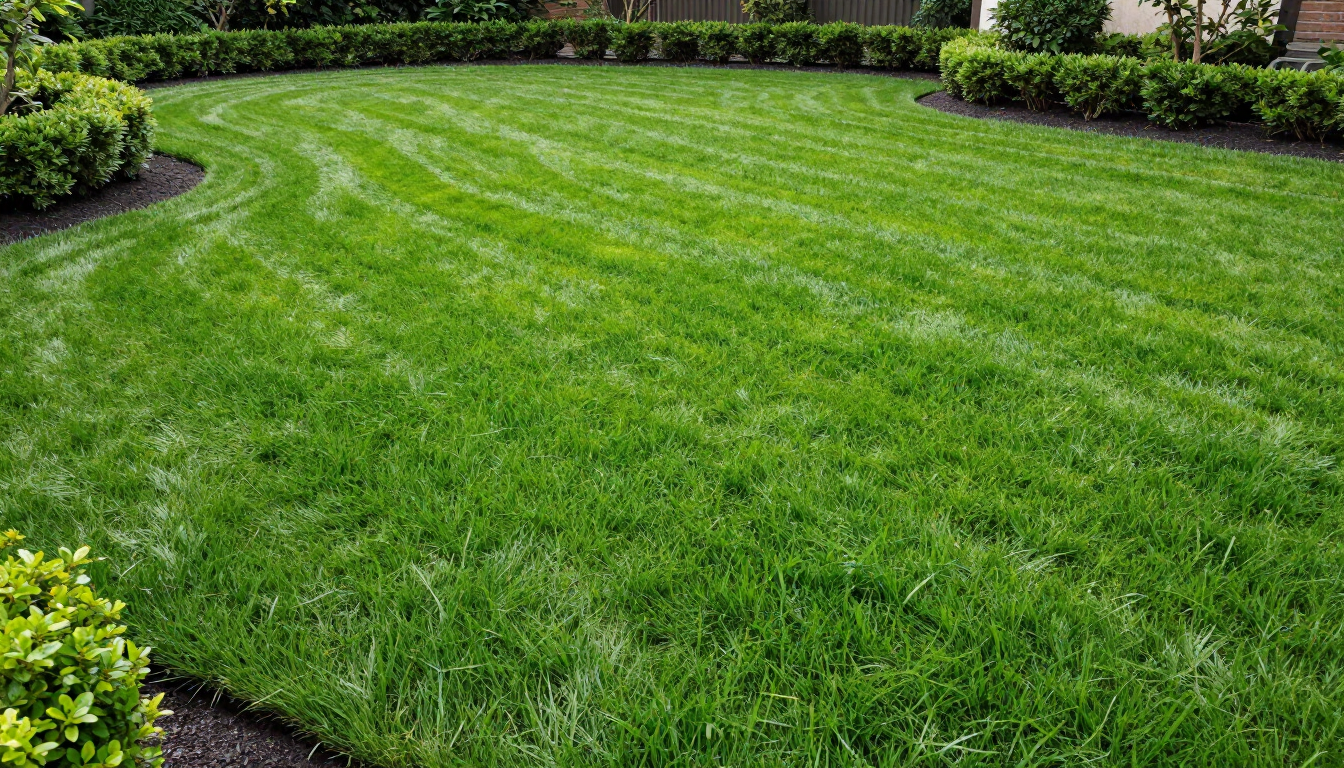
Clear boundaries between lawn and mulch beds help create a tidy, intentional landscape design.
When grass spreads into planting beds, it can compete with ornamental plants for water and nutrients. Weeds and grass growing in the mulch can also make routine maintenance more difficult.
Inspect bed edges regularly and remove unwanted grass before it spreads too far. A clearly defined edge can also make mowing and trimming easier.
When redesigning a landscape, consider how the shape of each bed works with the lawn, walkways, trees, and other outdoor features. Simple, consistent boundaries often make a property easier to maintain.
5. Choose the Right Mulch for Your Landscape
Different mulch materials offer different appearances and maintenance considerations.
- Shredded bark: Often used in ornamental beds because it creates a natural appearance and can settle into place around plantings.
- Wood chips: Commonly used around trees and shrubs. They can be useful in larger planting areas but should be applied with appropriate spacing around trunks and stems.
- Pine bark or similar organic materials: These can provide a distinctive texture and color, depending on the product available.
- The best option depends on your landscape design, plant requirements, and maintenance preferences.
- When choosing mulch, consider how the material will look as it ages, how easily it may shift during heavy rain, and how frequently it may need refreshing.
Avoid choosing a material based on appearance alone. Its suitability for the planting area matters just as much.
6. Adjust Your Mulch Maintenance With the Seasons
Landscape beds change throughout the year, so your maintenance routine should account for seasonal conditions.
Spring
Inspect beds after winter and remove accumulated leaves, branches, and other debris. Identify bare areas, emerging weeds, and sections where mulch has shifted.
Spring is also a useful time to review the condition of bed edges and plan any landscape improvements.
Summer
During warmer weather, monitor soil moisture and look for weeds that establish in exposed areas. Mulch can help reduce evaporation, but plants may still require watering depending on rainfall and soil conditions.
Avoid disturbing plant roots unnecessarily while removing weeds or adjusting mulch.
Fall
Remove fallen leaves when they accumulate heavily over planting areas. A moderate amount of natural organic material can break down over time, but thick layers of wet leaves may smother smaller plants.
Inspect mulch coverage before winter and address areas where erosion or foot traffic has exposed the soil.
Winter
Limit unnecessary disturbance around dormant plants. After significant weather events, check for displaced mulch, damaged edging, or other changes when conditions are safe.
7. Avoid These Common Mulch Bed Mistakes
A few simple precautions can help protect your landscape and prevent unnecessary maintenance.
- Piling mulch against tree trunks: Keep mulch away from the trunk flare and avoid creating a mound around the base of a tree.
- Adding new mulch without checking the existing layer: Repeatedly adding material can create excessive depth and interfere with plant health.
- Ignoring weeds until they spread: Early removal is generally easier than dealing with established growth across the entire bed.
- Covering plant stems or crowns: Keep mulch clear of sensitive plant tissue to reduce the risk of moisture-related damage.
- Allowing bed edges to disappear: Regular edging helps prevent grass from invading planting areas and keeps the landscape looking intentional.
- Overlooking drainage: If mulch repeatedly washes away or water pools in a bed, investigate the site's slope and drainage rather than simply replacing the material.
When Professional Landscape Maintenance Can Help
Some mulch beds are straightforward to maintain, while larger properties may have extensive planting areas, difficult edges, uneven terrain, or recurring weed problems.
Professional landscaping assistance may be helpful when you need to refresh multiple beds, establish cleaner boundaries, coordinate mulch with other landscape improvements, or maintain a consistent appearance throughout the property.
A broader landscape review can also help identify whether the current bed layout works with the lawn, walkways, irrigation, and other features.
For homeowners in Blacksburg and the surrounding New River Valley, coordinating mulch bed care with regular lawn and landscape maintenance can help keep the entire property looking more consistent.
Keep Your Landscape Looking Its Best With Swift Lawn
Healthy, attractive mulch beds are the result of thoughtful installation and regular maintenance. Checking coverage, managing weeds, keeping mulch away from plant stems, and maintaining clear bed edges can make a noticeable difference in your landscape.
Swift Lawn serves Blacksburg, Christiansburg, Radford, and Montgomery County, Virginia, with lawn and landscaping services. If your planting beds need attention or you are planning broader outdoor improvements, discussing your goals can help determine the most appropriate next steps.
Ready to improve your landscape? Contact Swift Lawn to discuss your lawn and landscaping needs and explore options for keeping your property neat, healthy, and inviting.