Fall Lawn Care in Blacksburg, VA: How to Prepare Your Lawn for Winter
A healthy lawn doesn't happen by accident. Regular maintenance throughout the growing season helps keep grass looking its best, but what you do in the fall can also influence how your lawn handles winter and begins growing again in spring.
For homeowners planning fall lawn care in Blacksburg, VA, autumn is an opportunity to address compacted soil, manage fallen leaves, improve grass coverage, and prepare outdoor spaces for colder weather.
The timing and type of maintenance your lawn needs depend on its grass variety, soil conditions, drainage, and overall health. A thoughtful fall lawn-care routine can help address these needs before winter arrives.
Swift Lawn provides lawn maintenance and landscaping services in Blacksburg, Christiansburg, Radford, and Montgomery County, VA. Here are several practical steps to consider when preparing your lawn for the colder months.
1. Keep Fallen Leaves Under Control
Fall foliage can make your yard look beautiful, but a thick layer of leaves left on the grass may block sunlight and restrict airflow. Prolonged coverage can weaken the turf and contribute to lawn problems.
Regular leaf management helps keep the grass exposed to light and allows you to maintain a cleaner, more usable yard.
Depending on the amount of foliage and the condition of your lawn, you can:
- Rake leaves regularly before they accumulate into thick layers.
- Mulch suitable amounts of leaves into small pieces if your mower and lawn conditions allow it.
- Remove heavy piles from the lawn, particularly after windy weather.
- Keep leaves clear of walkways and other frequently used outdoor areas.
- Check around garden beds, fences, and landscape features where leaves tend to collect.
The goal isn't necessarily to remove every leaf from your property. Instead, manage the accumulation so it doesn't smother the grass.
For larger properties or yards with numerous trees, professional leaf cleanup can help keep outdoor spaces manageable during the busiest part of the season.
2. Understand Whether Your Lawn Needs Aeration
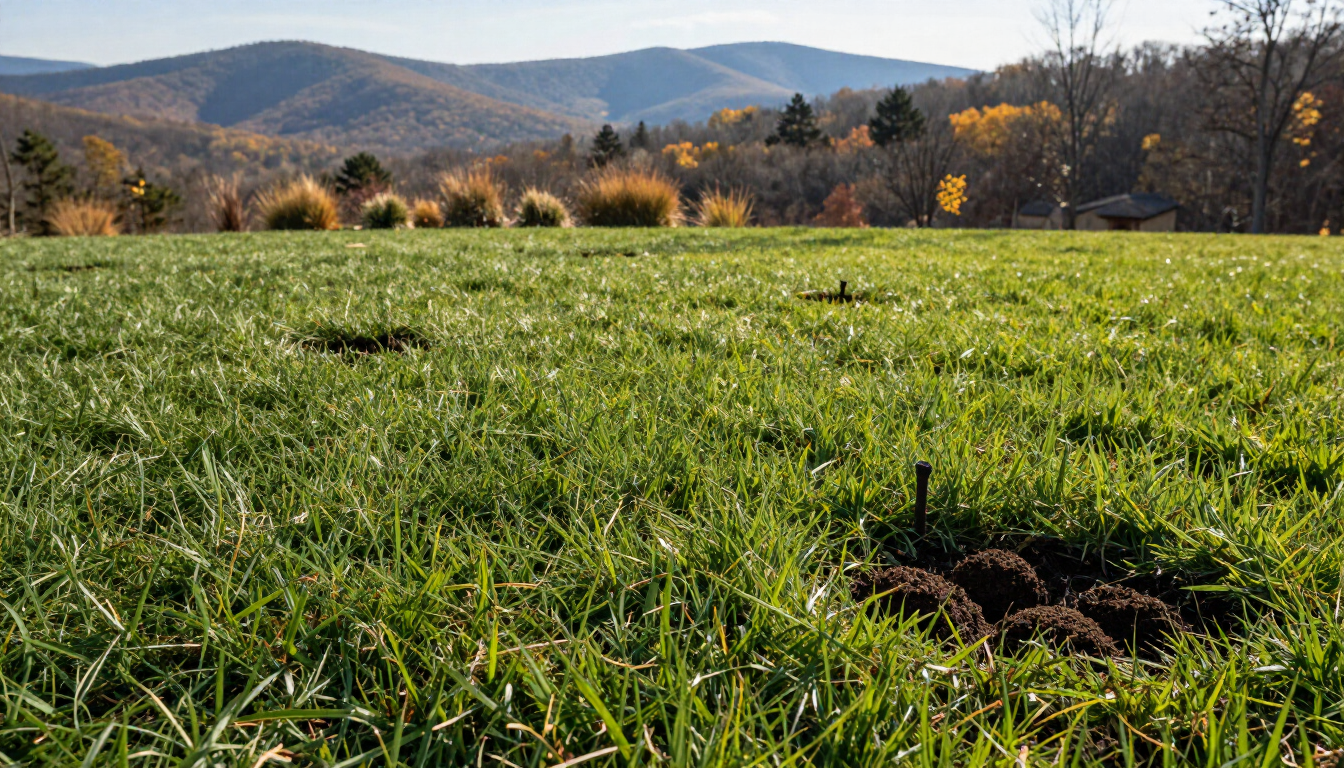
Soil compaction can make it more difficult for water, oxygen, and nutrients to reach grass roots. It commonly develops in areas that receive frequent foot traffic or regular use by equipment.
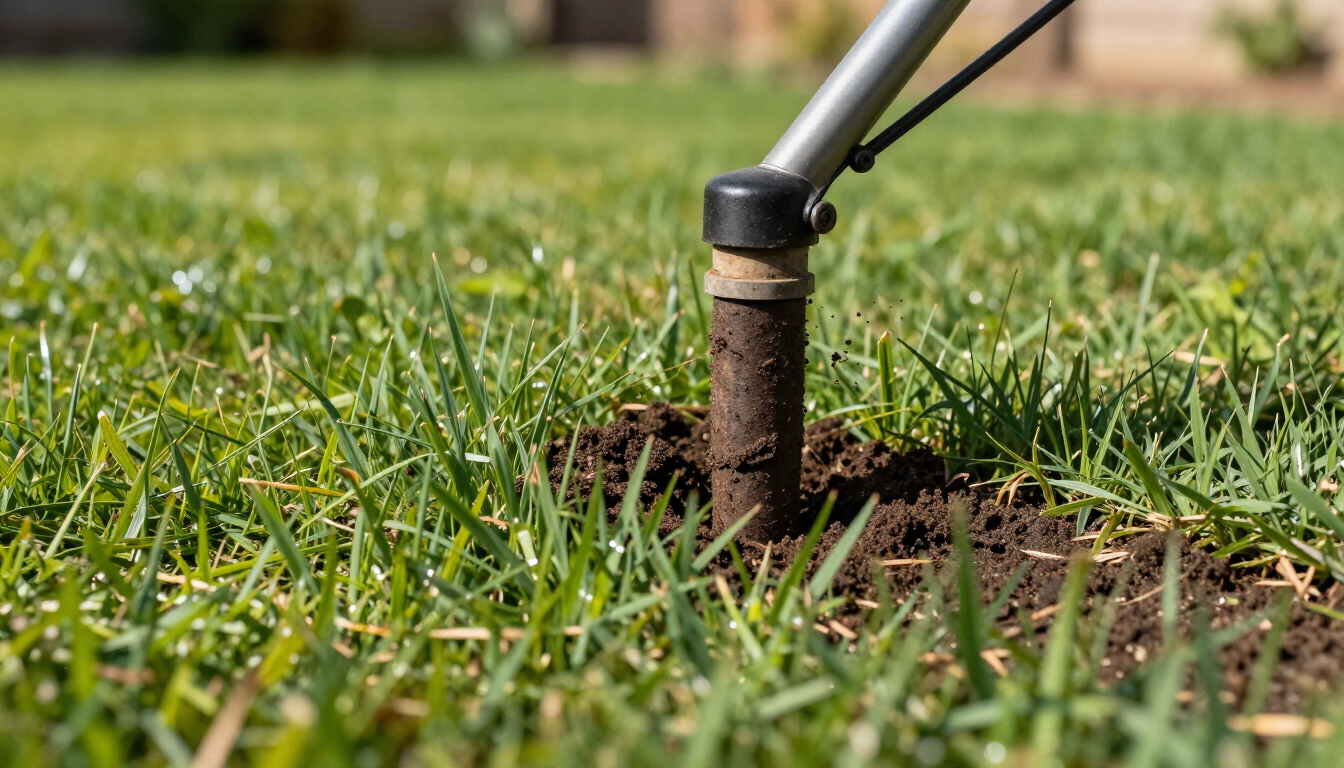
Lawn aeration helps address compaction by creating openings in the soil. Core aeration removes small plugs of soil, allowing the surrounding soil to expand and improving pathways for air and water movement.
Fall can be a suitable time for aeration when the lawn contains cool-season grasses, which are common in many parts of the New River Valley. However, the best timing depends on the grass type and local growing conditions.
Signs your lawn may benefit from aeration include:
- Soil that feels hard or compacted.
- Water that runs off instead of soaking into the ground.
- Grass that struggles in heavily used areas.
- Thin growth despite otherwise reasonable care.
- Difficulty inserting a garden tool into the soil.
Aeration isn't necessary for every lawn each year. Evaluate the soil and turf conditions first, then determine whether the service would provide a meaningful benefit.
3. Consider Overseeding Thin or Bare Areas
Thin grass and bare patches can make a lawn look uneven and leave portions of the soil exposed. Fall may offer a useful opportunity to improve grass coverage, particularly when cool-season turf is actively growing.
Overseeding involves spreading grass seed over an existing lawn to encourage additional growth without completely replacing the turf.
Before overseeding, identify why the lawn has become thin. Shade, soil compaction, drainage problems, unsuitable grass varieties, and repeated foot traffic can all affect grass density.
A successful overseeding plan may include:
- Removing excess leaves and debris.
- Mowing the existing lawn to an appropriate height for the selected seed and conditions.
- Addressing compaction or preparing the soil where needed.
- Selecting a grass seed suited to the site and existing turf.
- Spreading seed at the recommended rate.
- Maintaining suitable moisture during germination and establishment.
Timing matters because newly seeded grass needs enough favorable growing weather to establish before winter conditions become severe.
For homeowners considering overseeding in Blacksburg, VA, evaluating the lawn early in the fall can help determine whether there is sufficient time for the work.
4. Adjust Your Mowing Routine as Growth Slows
Grass generally grows more slowly as temperatures change and the growing season progresses. That doesn't mean mowing should stop according to a fixed calendar date.
Instead, adjust your mowing frequency to match the lawn's actual growth.
Avoid cutting grass excessively short in an attempt to prepare it for winter. Grass should be maintained at an appropriate height for its variety, and the final mowing height should reflect local recommendations and the condition of the turf.
Keep these principles in mind:
- Mow when the grass has grown enough to require it.
- Avoid removing too much of the grass blade in a single cut.
- Use sharp mower blades to help produce clean cuts.
- Remove or distribute clippings appropriately rather than leaving heavy clumps.
- Continue managing fallen leaves as the mowing season winds down.
A consistent mowing routine helps maintain a tidy appearance and prevents long grass from becoming difficult to manage during the final weeks of the season.
5. Pay Attention to Drainage and Standing Water
Fall rain can reveal drainage problems that may not be obvious during drier weather. Water collecting in low spots, running across the lawn, or remaining near the foundation can indicate that the property needs further evaluation.
Excess moisture can damage turf, contribute to muddy areas, and make outdoor spaces less enjoyable to use.
Walk around your property after rainfall and observe where water collects. Pay particular attention to:
- Low areas where puddles remain for extended periods.
- Slopes where runoff appears to be washing away soil.
- Areas near downspouts that become saturated.
- Paths where repeated foot traffic has worn away the grass.
- Sections of lawn that remain consistently soggy.
Some drainage concerns may be addressed through grading, downspout management, or other landscape improvements, depending on the underlying cause.
Avoid adding soil or changing the slope near your foundation without considering how the changes will affect water movement around the house.
Addressing drainage concerns before winter can help you plan appropriate improvements and reduce recurring lawn problems.
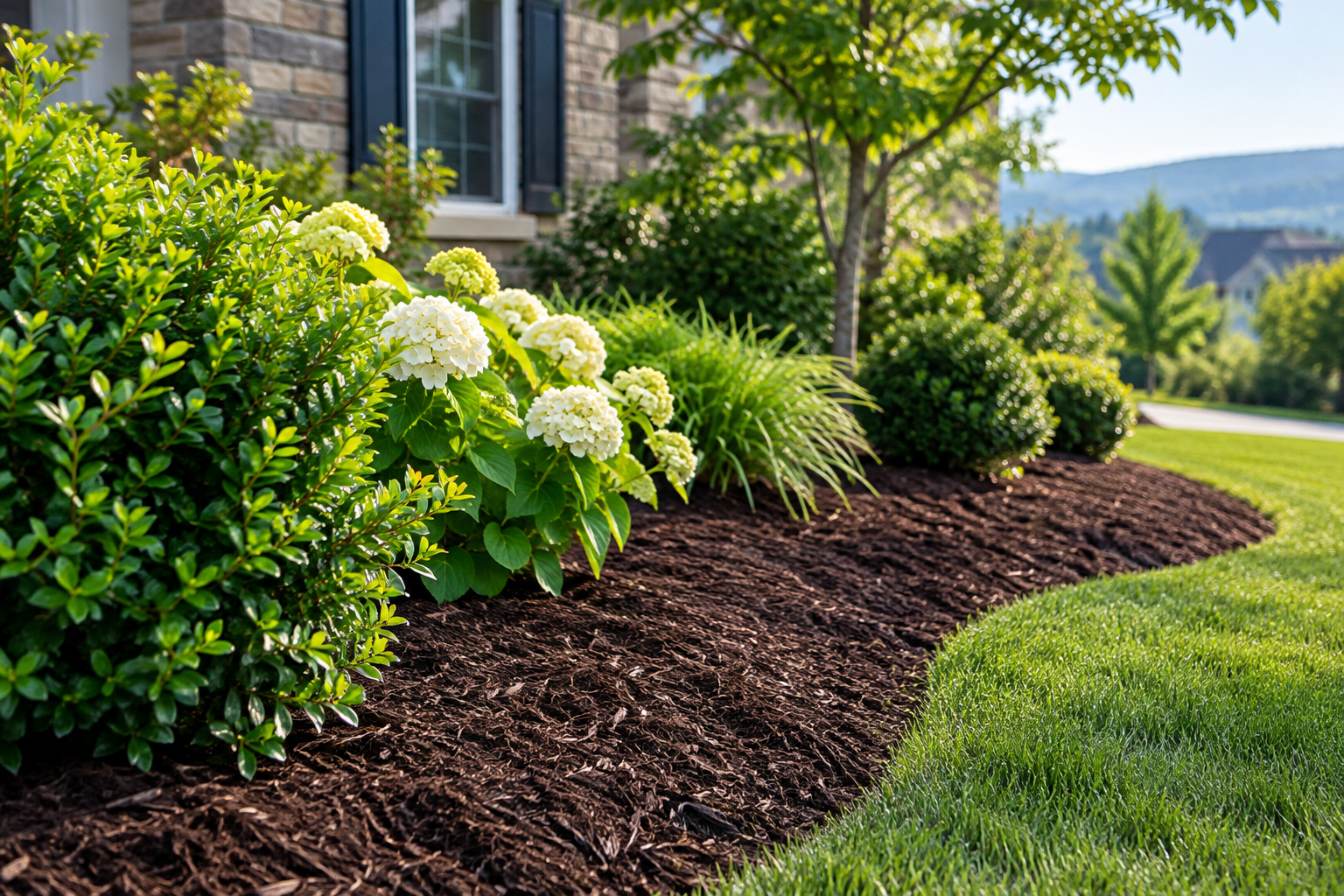
6. Prepare Your Landscape Beds and Outdoor Areas
Fall lawn care is also an opportunity to maintain the surrounding landscape.
Leaves, weeds, and accumulated debris can make garden beds and other outdoor areas look neglected. Cleaning up these spaces helps maintain the overall appearance of your property and makes spring maintenance easier to organize.
Depending on your landscape, consider:
- Removing weeds before they spread further.
- Clearing fallen leaves from paths and lawn edges.
- Inspecting mulch and landscape bed conditions.
- Trimming plants when appropriate for their variety and seasonal needs.
- Clearing debris from frequently used outdoor spaces.
- Identifying areas that may benefit from new planting or landscape improvements.
Not every plant should be cut back in the fall, so consider the specific needs of the plants in your landscape before pruning.
If you're planning a larger landscaping project, fall can also be a useful time to identify areas that need better definition, improved usability, or changes to the overall layout.
7. Create a Lawn Maintenance Plan for the Coming Seasons
The end of the growing season is a good time to review what worked well and what needs attention.
Perhaps your lawn struggled with bare patches, certain areas stayed too wet, or leaves accumulated faster than you could manage them. Identifying these recurring issues helps you prioritize future maintenance.
Create a simple list of the improvements you want to make. Your plan might include seasonal mowing, leaf cleanup, aeration when appropriate, overseeding, or addressing drainage concerns.
You can also evaluate whether your existing lawn-care routine fits your schedule. Some homeowners prefer handling routine tasks themselves, while others benefit from professional assistance with ongoing maintenance or specific seasonal projects.
A consistent approach makes it easier to manage outdoor spaces throughout the year instead of waiting until problems become more noticeable.
Swift Lawn offers lawn maintenance and landscaping services for homeowners in Blacksburg, Christiansburg, Radford, and Montgomery County, VA. Discussing your property's needs with a landscaping professional can help you determine which services are appropriate for your lawn and outdoor space.
Prepare Your Blacksburg, VA Lawn for Winter With Swift Lawn
Fall is an important time to evaluate your lawn's condition and prepare it for the seasonal changes ahead. Managing leaves, monitoring soil compaction, addressing thin grass, adjusting mowing practices, and checking drainage can all contribute to a more organized lawn-care routine.
The right approach depends on your grass type, property conditions, and maintenance goals. By identifying problems early and planning appropriate seasonal work, you can make better decisions about caring for your outdoor space.
Swift Lawn serves homeowners in Blacksburg, Christiansburg, Radford, and Montgomery County, VA, with lawn maintenance and landscaping services.
Ready to plan your seasonal lawn care? Visit Swift Lawn to learn more about its services and discuss the needs of your property.