When to Aerate and Overseed Your Lawn in Blacksburg, VA
A thin lawn, bare patches, and compacted soil can make it difficult to maintain a healthy-looking yard. Even with regular mowing, grass may struggle to grow if the soil is compacted or the lawn needs more coverage. Lawn aeration and overseeding are two maintenance practices that can help address these issues.
For homeowners in Blacksburg, VA, understanding when and why to aerate and overseed can make lawn care more effective. The right timing depends on your grass type, soil conditions, and the overall condition of your yard.
Swift Lawn provides lawn maintenance and landscaping services in Blacksburg, Christiansburg, Radford, and surrounding Montgomery County communities. Knowing how these lawn care practices work can help you decide what your property needs.
What Is Lawn Aeration?
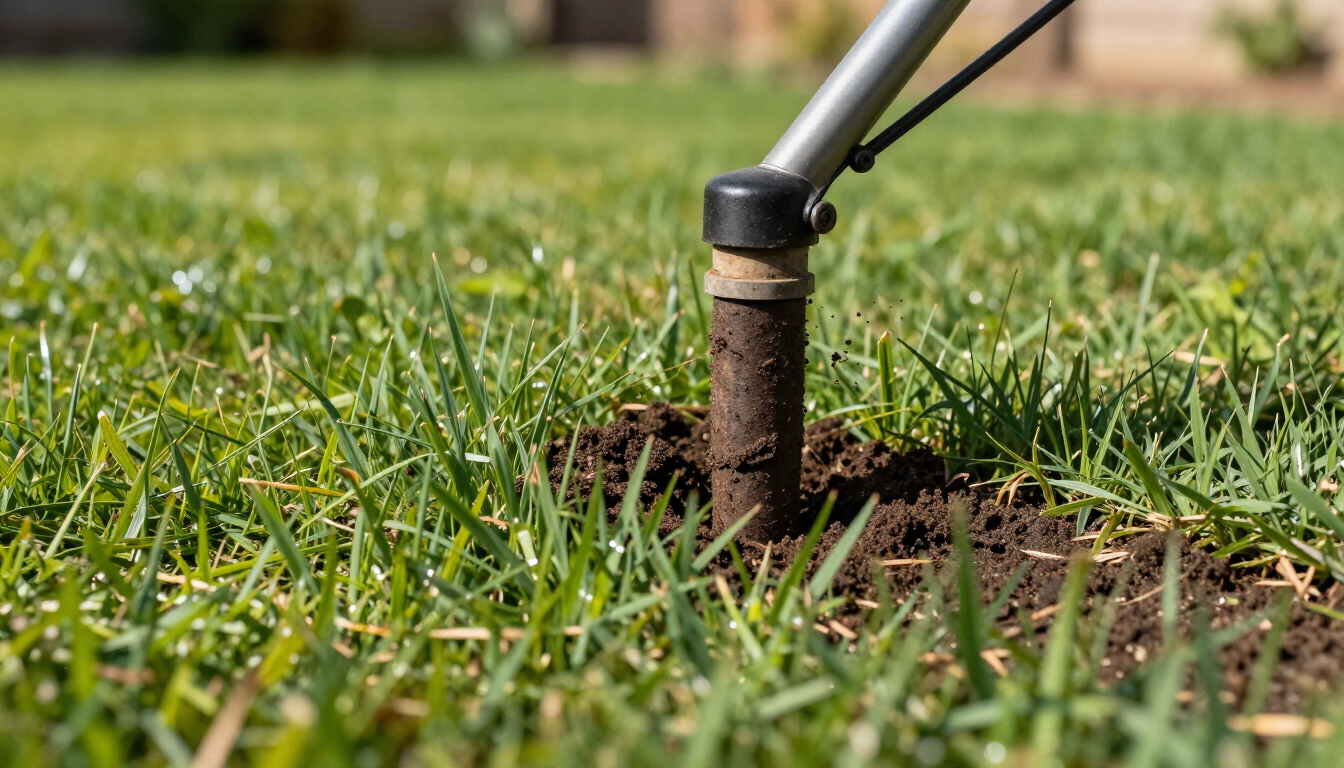
Lawn aeration helps relieve soil compaction by creating small openings in the ground. Over time, foot traffic, lawn equipment, and normal soil settling can compress the soil, making it more difficult for air, water, and nutrients to move through it.
When soil becomes compacted, grass roots may have a harder time developing. Water may also struggle to penetrate the ground, potentially contributing to runoff or uneven lawn growth.
Aeration can help by:
- Improving the movement of water into the soil
- Creating more favorable conditions for root growth
- Helping air reach the root zone
- Reducing the effects of soil compaction
- Preparing the lawn for overseeding
Not every lawn needs aeration at the same frequency. Lawns with heavy foot traffic, dense soil, or areas where grass struggles to grow may benefit more than lawns with loose, healthy soil.
What Is Overseeding, and How Does It Help?
Overseeding involves spreading grass seed over an existing lawn without completely starting over. It can help fill thin areas, improve lawn density, and encourage more consistent grass coverage.
As a lawn ages, grass may become thinner because of traffic, environmental stress, inconsistent growing conditions, or other factors. Overseeding introduces additional grass plants that can help improve the appearance and coverage of the lawn when conditions are suitable.
Potential benefits include:
- Filling in thin or bare areas
- Improving the density of existing grass
- Helping the lawn recover from certain types of wear
- Supporting a more uniform appearance
- Reducing open spaces where weeds may establish
Successful overseeding depends on more than spreading seed. Seed selection, soil preparation, watering, and timing all influence how well new grass establishes.
When Is the Best Time to Aerate and Overseed in Blacksburg, VA?
For many lawns in the Blacksburg area, early fall is a favorable time for aeration and overseeding when the lawn contains cool-season grasses, such as tall fescue or Kentucky bluegrass.
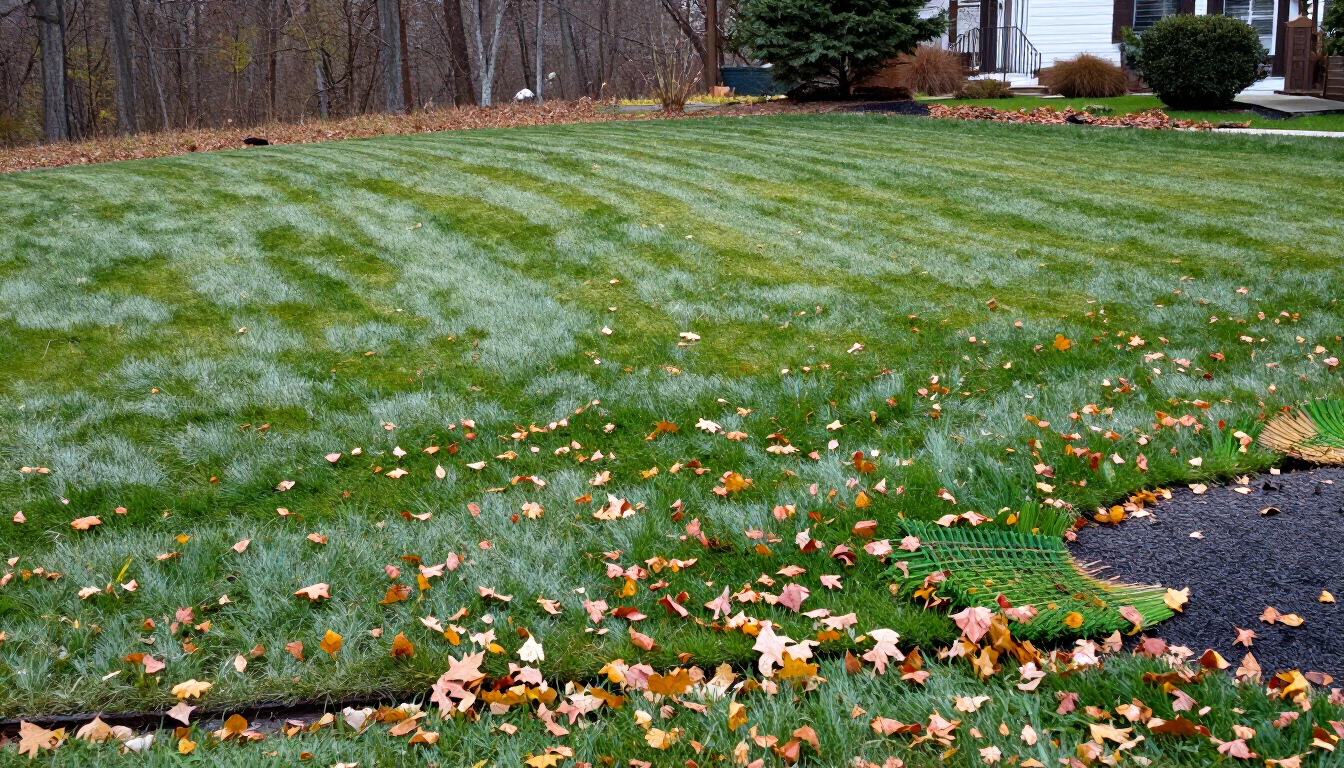
During this period, soil temperatures can support seed germination while cooler air temperatures may reduce some of the stress associated with summer heat. There is also typically time for new grass to develop before winter.
Spring can be another option in certain situations, but it may bring additional challenges, including competition from weeds and the possibility of summer heat arriving before new grass is well established.
The best schedule depends on your lawn's current condition and grass type. Before choosing a treatment date, consider:
- Grass type: Different grasses have different growth patterns and ideal seeding windows.
- Soil moisture: Soil should be suitable for aeration, rather than excessively wet or hard and dry.
- Weather conditions: New seed needs appropriate temperatures and consistent moisture.
- Existing lawn condition: Severely damaged areas may require additional preparation before seeding.
- Time available for establishment: New grass needs time and care to develop before facing harsh weather.
A lawn care professional can help assess these factors and determine an appropriate schedule for your property.
Signs Your Lawn May Benefit From Aeration and Overseeding
Not every lawn problem has the same cause, but several signs may indicate that aeration, overseeding, or a combination of lawn care practices could help.
1. Thin or Patchy Grass
If parts of your lawn look noticeably thinner than others, overseeding may help improve coverage. However, it's important to identify why the grass is thinning before adding seed.
2. Hard or Compacted Soil
Soil that feels unusually firm or shows signs of heavy traffic may benefit from aeration. Compaction can interfere with the movement of water and the development of grass roots.
3. Water That Runs Off Instead of Soaking In
If water frequently runs across the surface rather than entering the soil, compaction may be one possible factor. Drainage, soil composition, and the slope of the property should also be considered.
4. Bare Areas From Regular Use
Lawns used frequently for outdoor activities may develop worn areas. Aeration and overseeding may help some of these areas recover, provided the underlying growing conditions are suitable.
5. Grass That Struggles to Fill In
If your lawn remains sparse despite regular mowing and basic maintenance, it may need a more targeted approach. Soil conditions, sunlight, watering, and grass selection should all be evaluated before deciding on the next step.
How to Prepare Your Lawn for Successful Overseeding
Proper preparation can improve the chances that new grass seed will establish successfully. Before overseeding, assess the lawn and address conditions that may prevent growth.
- Start by evaluating the existing grass. Identify thin spots, bare areas, weeds, and signs of compaction. Understanding the lawn's condition helps determine whether aeration, overseeding, or other work is appropriate.
- Choose suitable grass seed. The right seed depends on the lawn's existing grass type, sunlight exposure, and growing conditions. Using an appropriate variety can help new grass blend with the existing lawn.
- Prepare the soil when needed. Aeration can create openings that help seed make contact with the soil. Other preparation may be necessary in heavily damaged areas.
- Follow appropriate watering practices. New seed generally needs consistent moisture during germination and establishment. Avoid allowing the seedbed to dry out, while also avoiding excessive watering that can wash seed away or create saturated conditions.
- Limit unnecessary traffic. Heavy foot traffic can disturb seed and young grass. Keeping activity to a minimum during establishment gives new growth a better opportunity to develop.
- Allow time for growth. Results are not immediate. Germination and establishment depend on the grass variety, weather, moisture, and soil conditions.
Why Consistent Lawn Maintenance Matters After Seeding
Aeration and overseeding are only part of maintaining a healthy lawn. Ongoing care helps support new grass and the established turf around it.
Mowing at an appropriate height, managing weeds, monitoring soil moisture, and adjusting care to seasonal conditions can all contribute to better lawn health. Newly seeded areas may also require different mowing practices until the grass is established.
A consistent lawn maintenance routine can help you identify developing problems earlier and avoid relying on a single treatment to solve every issue.
If your lawn continues to struggle, consider whether other factors—such as shade, poor drainage, unsuitable grass varieties, or soil conditions—may be contributing to the problem.
Professional Lawn Aeration and Overseeding in Blacksburg, VA
A thicker lawn starts with understanding what your grass needs. Aeration can help address soil compaction, while overseeding can improve coverage when the growing conditions are suitable. Together, these practices can form part of a broader lawn maintenance plan.
Swift Lawn serves homeowners in Blacksburg, Christiansburg, Radford, and surrounding Montgomery County communities with lawn maintenance and landscaping services. If your yard has thin grass, compacted soil, or areas that need attention, consider discussing your lawn's condition and seasonal care needs with the Swift Lawn team.
Visit Swift Lawn to learn more about its services and explore options for maintaining your outdoor space.